
Calls grow for affordable access to future HIV prevention technologies and the rejection of unmerited patent applications
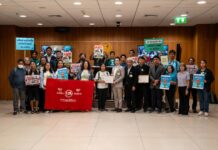
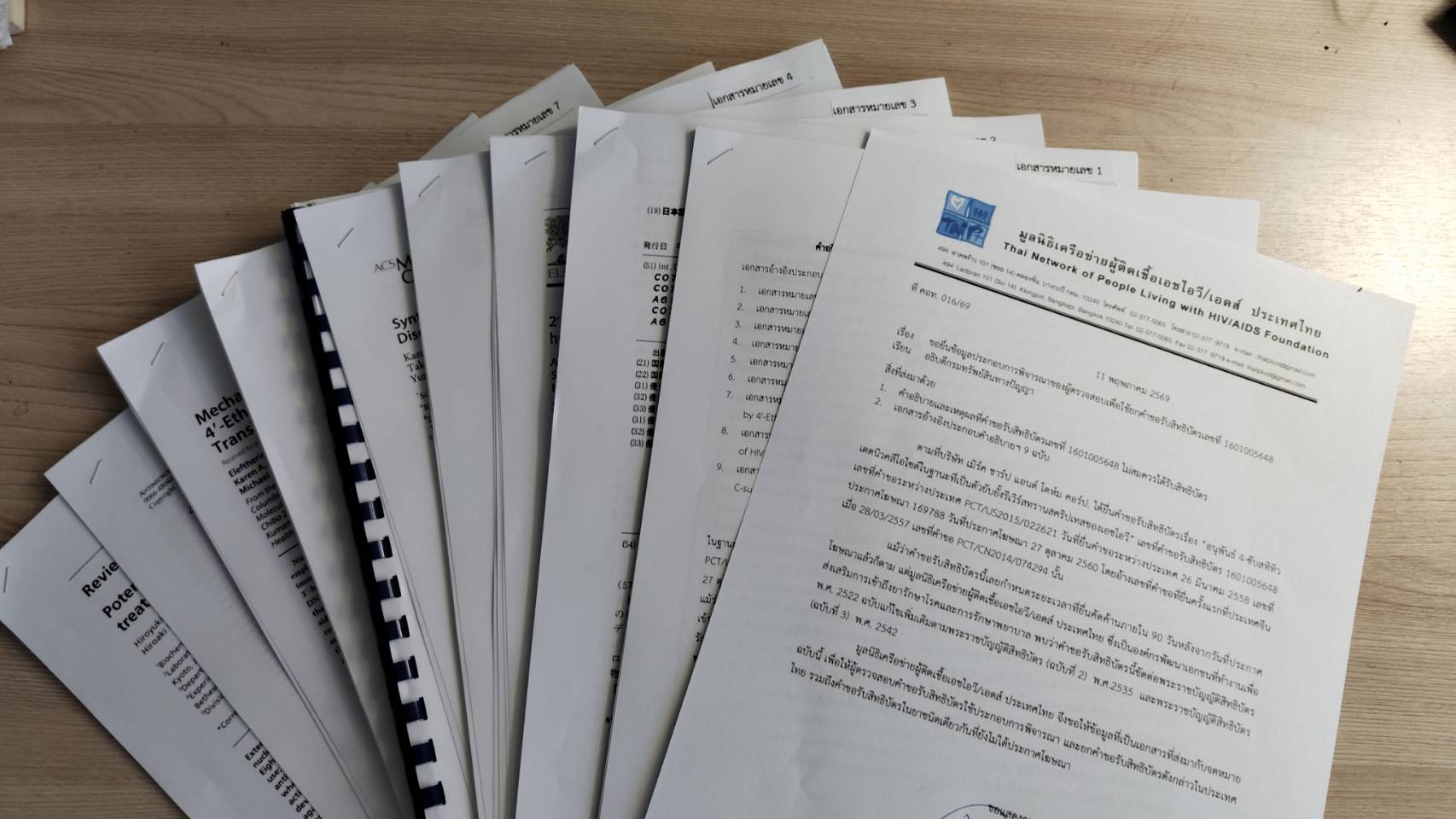
The Thai Network of People Living with HIV/AIDS (TNP+) has filed a patent opposition against Thai patent application no. 1601005648 before the Department of Intellectual Property on May 11, 2026. The application, filed by Merck & Co., relates to MK-8527, an investigational HIV prevention medicine. TNP+ argues that the application lacks novelty and inventive step and represents an attempt to obtain broader patent monopolies than those that should legitimately be granted under patent law.
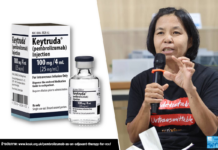
MK-8527 is an investigational once-monthly oral PrEP medicine currently undergoing Phase 3 clinical trials in multiple countries. It is considered a promising addition to the growing range of future HIV prevention options.
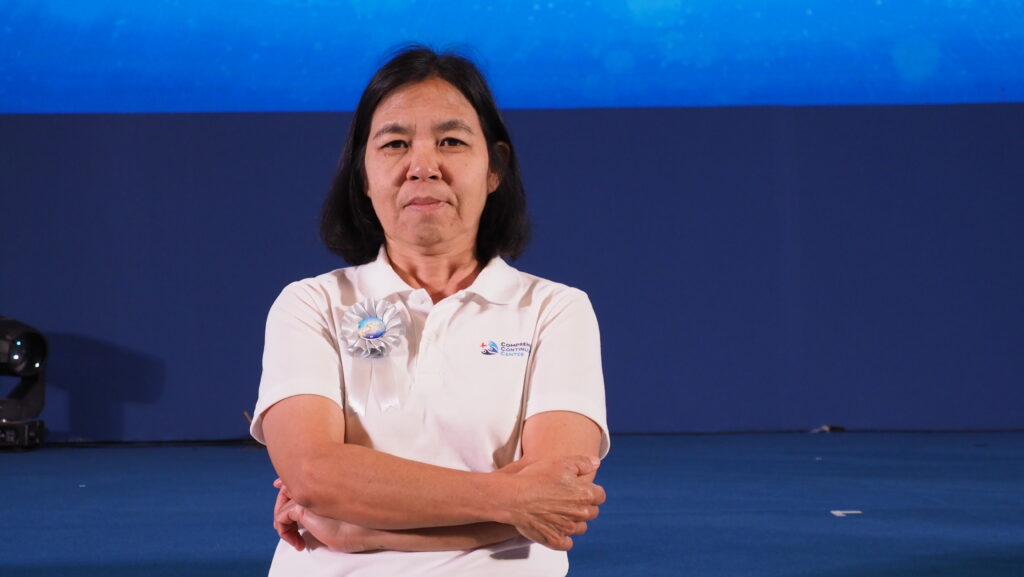
Ms. Yupha Sukreung, Chairperson of TNP+, stated MK-8527 could become an additional PrEP option that allows people to choose HIV prevention methods that better fit their lifestyles and different social, personal, and public health needs. Expanding prevention choices is important for addressing the HIV epidemic effectively.”
Several important elements claimed in the application had already been disclosed in earlier patents and scientific publications, TNP+ said. The organization argues that minor modifications of existing compounds should not justify new patents that could unnecessarily prolong market monopolies. The opposition also challenges certain claims relating to the use of the compounds for treatment or prevention of HIV, arguing that such claims may extend into areas that should not be monopolized under Thai patent law.
TNP+ also raised concerns regarding multiple amendments made to the patent application during prosecution in Thailand. The opposition states that the application originally contained 24 claims when filed in Thailand in 2016. The number of claims was later expanded to 41 at the time of publication and subsequently increased to 59 through voluntary amendments filed after publication.
The organization notes that the repeated expansion of claims raises concerns that the scope of the patent monopoly could become broader than the original application. TNP+ also raised concerns that allowing broad amendments after publication could undermine legal certainty and make it more difficult for the public and third parties to assess and challenge the scope of patent claims effectively
The organization further noted that the amended claims appear to reflect claims pursued in related international patent applications beyond those originally referenced at the time of filing. According to TNP+, this raises concerns regarding the clarity, consistency, and scope of the claims under examination in Thailand.
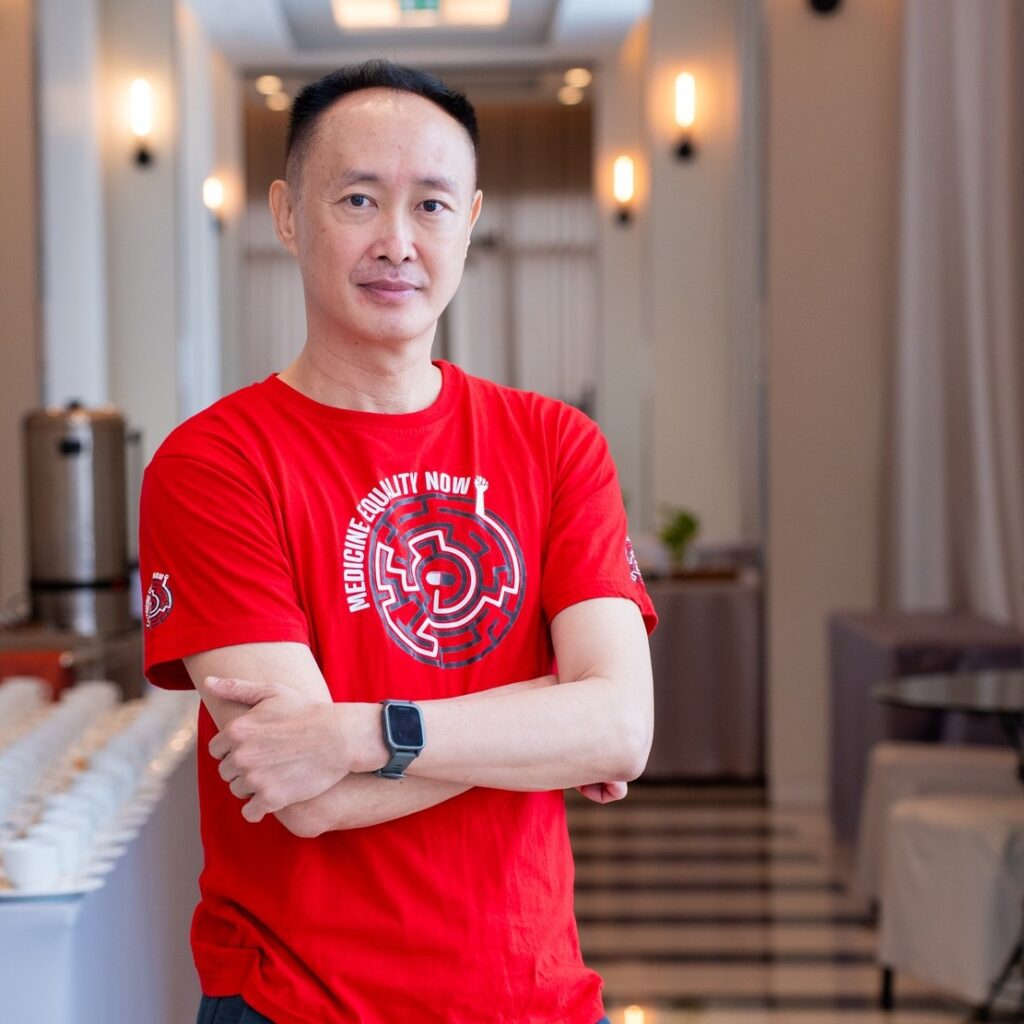
Mr. Chalermsak Kittitrakul, Project Manager for Access to Medicines at TNP+, said “This patent application reflects the ongoing problem of evergreening, where companies seek additional patent monopolies through minor modifications of existing compounds and technologies. The repeated expansion of claims in this case further demonstrates attempts to broaden exclusivity beyond the original filing. If granted, such patents could negatively affect future competition and access to affordable medicines. Thailand’s patent system should not allow unnecessary extensions of medicine monopolies.”
Mr. Chalermsak added “The challenge against MK-8527 patent applications is not happening only in Thailand. Civil society organizations in several developing countries are working together to examine and oppose unmerited patent applications in order to prevent unnecessary monopolies on medicines that are important for public health.”
Earlier, global HIV networks and civil society organizations from multiple countries submitted a petition letter to Merck & Co. urging the company to ensure affordable access to MK-8527 and to refrain from pursuing or enforcing patent barriers that could restrict access in low- and middle-income countries. The groups warned that if promising next-generation HIV prevention technologies remain under prolonged monopoly control, global efforts to end HIV/AIDS could be significantly undermined.
Ms. Yupha concluded “Access to new HIV prevention technologies should not depend on where people live or how much they can afford to pay. Communities around the world are calling for affordable access to MK-8527 and opposing unmerited patent monopolies that could restrict future access.”
เครือข่ายผู้ติดเชื้อฯ ค้านอีก!! ยาเพร็พแบบกินรายเดือน MK-8527 ที่วิจัยใกล้สำเร็จชี้เป็นคำขอสิทธิบัตรที่ไม่สมควรได้รับการคุ้มครองพร้อมเรียกร้องการเข้าถึงเทคโนโลยีป้องกันเอชไอวีใหม่อย่างเป็นธรรม
เมื่อวันที่ 11 พฤษภาคม 2569 เครือข่ายผู้ติดเชื้อเอชไอวี/เอดส์ ประเทศไทย (เครือข่ายผู้ติดเชื้อฯ) ส่งจดหมายไปยังกรมทรัพย์สินทางปัญญา #กระทรวงพาณิชย์ เพื่อยื่นค้านคำขอรับสิทธิบัตรเลขที่ 1601005648 ในยา MK8527 ที่เป็นยาเพร็พ (PrEP) ใช้ป้องกันการติดเชื้อเอชไอวีชนิดรับประทานเดือนละ 1 ครั้ง ของบริษัท เมิร์ค แอนด์ โค ซึ่งขณะนึ้อยู่ระหว่างการศึกษาวิจัยระยะที่ 3 ในหลายประเทศ และถูกคาดหมายว่าจะเป็นอีกหนึ่งทางเลือกสำหรับการป้องกันเอชไอวีในอนาคต เนื่องจากคำขอดังกล่าวขาดความใหม่ ขาดขั้นการประดิษฐ์ที่สูงขึ้น และยังเป็นความพยายามในการขอผูกขาดสิทธิบัตรในขอบเขตที่กว้างเกินกว่าที่ควรได้รับการคุ้มครองตามกฎหมาย
ในคำคัดค้านของเครือข่ายผู้ติดเชื้อฯ ระบุว่า องค์ประกอบสำคัญหลายประการที่ถูกอ้างสิทธิในคำขอรับสิทธิบัตรฉบับนี้ ได้ถูกเปิดเผยไว้แล้วในสิทธิบัตรและเอกสารวิชาการก่อนหน้า การดัดแปลงสารประกอบเดิมเพียงเล็กน้อยไม่ควรเป็นเหตุให้ได้รับสิทธิบัตรใหม่ ซึ่งจะทำให้เกิดการผูกขาดเพิ่มเติมโดยไม่ชอบธรรม นอกจากนี้ คำคัดค้านยังโต้แย้งข้อถือสิทธิบางส่วนที่เกี่ยวข้องกับการใช้สารประกอบดังกล่าวเพื่อการรักษาหรือป้องกันการติดเชื้อเอชไอวี โดยเห็นว่าข้อถือสิทธิลักษณะดังกล่าวขัดต่อกฎหมายสิทธิบัตรของไทย
เครือข่ายผู้ติดเชื้อฯ เห็นว่าการแก้ไขคำขอรับสิทธิบัตรฉบับนี้หลายครั้งระหว่างกระบวนการพิจารณาในประเทศไทย โดยคำคัดค้านระบุว่าคำขอดังกล่าวมีข้อถือสิทธิ 24 ข้อเมื่อยื่นครั้งแรกในประเทศไทยในปี 2559 ต่อมาถูกขยายเป็น 41 ข้อ ณ วันที่ประกาศโฆษณา และขอแก้เพิ่มเติมโดยสมัครใจหลังการประกาศโฆษณาเพิ่มขึ้นเป็น 59 ข้อ ซึ่งการขอเพิ่มข้อถือสิทธิขึ้นเรื่อยๆ เช่นนี้ จะทำให้ขอบเขตการผูกขาดสิทธิบัตรอาจกว้างเกินกว่าคำขอเดิม ทำให้ขอบเขตการขอผูกขาดในประเทศไทยอาจถูกขยายกว้างขึ้นและไม่ได้สอดคล้องกับที่เคยยื่นไว้ครั้งแรก
อีกทั้งการอนุญาตให้แก้ไขและเพิ่มข้อถือสิทธิจำนวนมากหลังการประกาศโฆษณา อาจทำให้บุคคลที่ 3 หรือประชาชนทั่วไปติดตามและตรวจสอบขอบเขตการพิจารณาคำขอรับสิทธิบัตรได้ยากขึ้น รวมถึงทำให้การยื่นคำคัดค้านไม่สามารถทำได้อย่างมีประสิทธิภาพ
นายเฉลิมศักดิ์ กิตติตระกูล ผู้จัดการโครงการการเข้าถึงยา เครือข่ายผู้ติดเชื้อฯ กล่าวว่า คำขอรับสิทธิบัตรฉบับนี้สะท้อนปัญหาการผูกขาดต่อยอด (evergreening) ที่บริษัทยาพยายามขอผูกขาดสิทธิบัตรเพิ่มเติมโดยการดัดแปลงสารประกอบและเทคโนโลยีเดิมเพียงเล็กน้อย และขอจดสิทธิบัตรใหม่ การขอแก้ไขเพิ่มข้อถือสิทธิอยู่เรื่อย ๆ อย่างในกรณีนี้ ยิ่งแสดงให้เห็นถึงความพยายามที่จะขยายสิทธิผูกขาดให้กว้างเกินกว่าคำขอเดิม หากได้รับสิทธิบัตรอาจส่งผลกระทบต่อการแข่งขันในอนาคตและการเข้าถึงยาราคาไม่แพง ระบบสิทธิบัตรของไทยจึงไม่ควรเปิดช่องให้เกิดการขยายการผูกขาดยาโดยไม่จำเป็น
นายเฉลิมศักดิ์ได้ให้ข้อมูลเพิ่มเติมว่า การคัดค้านคำขอรับสิทธิบัตร MK-8527 ไม่ได้เกิดขึ้นเฉพาะในประเทศไทย องค์กรภาคประชาสังคมในหลายประเทศกำลังร่วมมือกันตรวจสอบและคัดค้านคำขอรับสิทธิบัตรที่ไม่สมควรได้รับการคุ้มครอง เพื่อป้องกันการผูกขาดยาที่ไม่ชอบด้วยกฎหมายในยาที่มีความสำคัญต่อสาธารณสุขด้วย
“เครือข่ายด้านเอชไอวีและองค์กรภาคประชาสังคมจากหลายประเทศก็ได้ยื่นจดหมายเปิดผนึกถึงบริษัท เมิร์ค แอนด์ โค เรียกร้องให้บริษัทรับประกันการเข้าถึงยา MK-8527 ในราคาที่เข้าถึงได้ ยกเลิกการจดสิทธิบัตร หรือไม่บังคับใช้สิทธิบัตรในยา MK-8527 ที่จะจำกัดการเข้าถึงยาในประเทศรายได้ต่ำและปานกลางด้วยเช่นกัน” นายเฉลิมศักดิ์กล่าว
นางยุพา สุขเรือง ประธานเครือข่ายผู้ติดเชื้อเอชไอวี/เอดส์ ประเทศไทย กล่าวว่า ยา MK-8527 จะเป็นอีกทางเลือกหนึ่งที่ช่วยให้คนเข้าถึงวิธีการป้องกันการติดเชื้อเอชไอวีที่เหมาะกับวิถีชีวิตของตัวเอง การมีทางเลือกในการป้องกันที่หลากหลายจะเป็นสิ่งสำคัญต่อการรับมือกับการระบาดของเอชไอวีได้อย่างมีประสิทธิภาพ
“แต่ถ้าหากเทคโนโลยีป้องกันเอชไอวีรุ่นใหม่ที่มีศักยภาพยังคงถูกผูกขาดเป็นเวลานาน ความพยายามระดับโลกในการยุติปัญหาเอดส์อาจเป็นไปได้ยาก จึงไม่ควรมีการเลือกปฏิบัติในการเข้าถึงเทคโนโลยีป้องกันการติดเชื้อเอชไอวีรูปแบบใหม่ไม่ว่าคุณจะเป็นใคร อยู่ในประเทศไหน หรือมีฐานะร่ำรวยหรือยากจน ควรมีสิทธิที่จะเข้าถึงอย่างเท่าเทียมกัน” ยุพากล่าว