
16 February 2026
Bangkok, Thailand
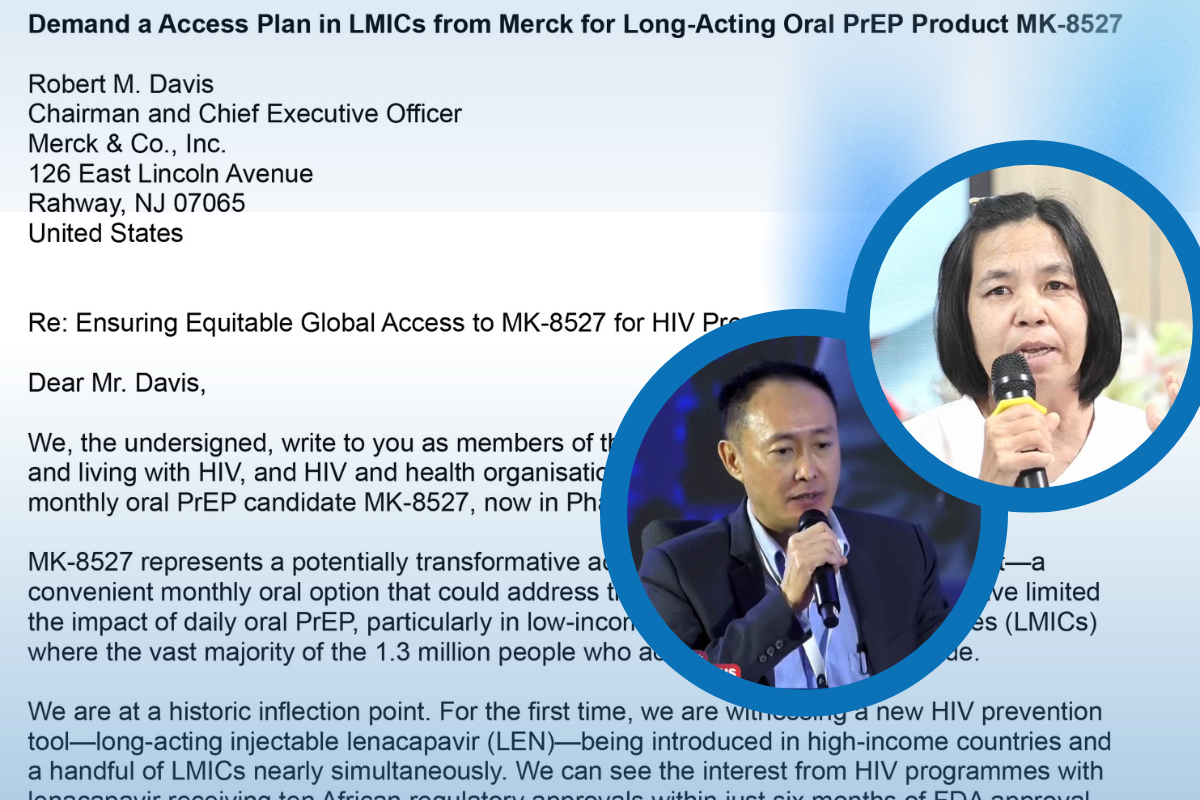
The Thai Network of People Living with HIV/AIDS (TNP+) has joined a global coalition of HIV advocates, community networks, and public-health organisations calling on Merck & Co. to adopt an early and comprehensive access strategy for its promising once-monthly oral PrEP candidate, MK-8527.
MK-8527, currently in Phase III clinical trials, represents a potentially transformative advancement in HIV prevention. Designed as a long-acting, once-monthly oral pre-exposure prophylaxis (PrEP), the medicine offers an alternative to daily PrEP regimens and could help address adherence challenges, particularly in low- and middle-income countries (LMICs), where the majority of new HIV infections continue to occur.
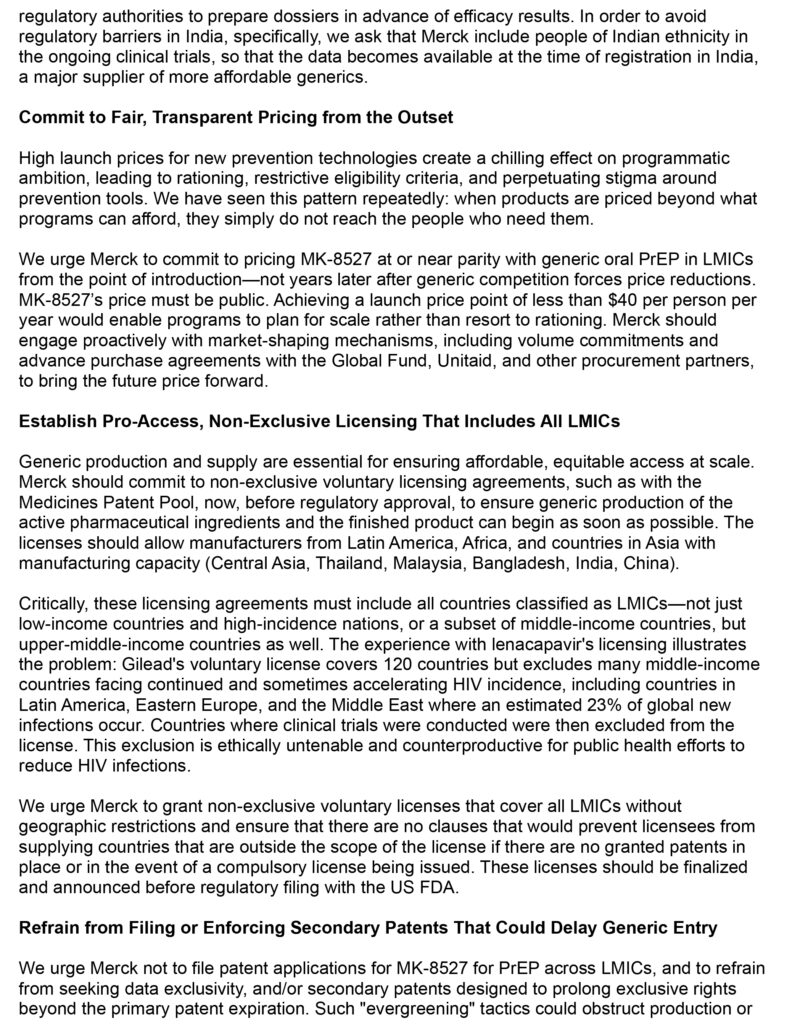
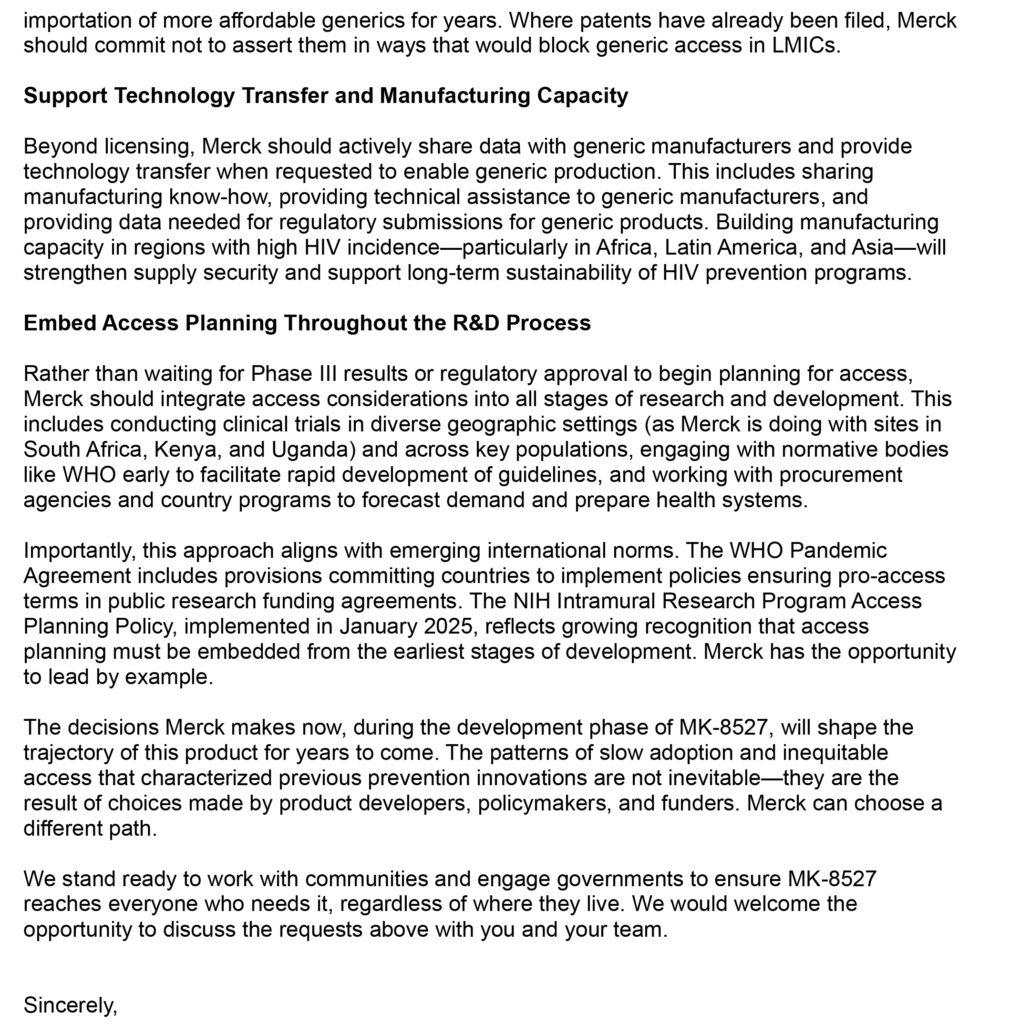
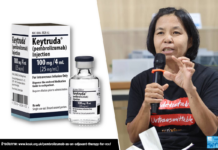
In a joint letter addressed to Merck’s leadership, civil-society organisations worldwide called for a comprehensive access framework for MK-8527, including:
- Accelerated global regulatory pathways, including parallel use of international approval mechanisms
- Fair, transparent, and affordable pricing at launch, aligned with public-health realities in LMICs
- Non-exclusive voluntary licensing covering all LMICs without geographic restrictions
- Avoidance of secondary patents and exclusivity measures that could delay generic competition
- Technology transfer and data sharing to support sustainable generic production
- Integration of access planning throughout research and development

“While the letter outlines a broad set of access measures, certain structural barriers require particular attention,” said Chalermsak Kittitrakul, Project Manager for Access to Medicines, TNP+.
“Experience has repeatedly shown that restrictive voluntary licensing arrangements, secondary patents, and other ever-greening strategies have become critical obstacles to access to medicines. These mechanisms often delay generic competition, sustain high prices, and limit the ability of health systems in low- and middle-income countries to expand treatment and prevention programs.
Equally concerning are persistent delays in the registration of both originator products and generic alternatives in LMICs. Without timely regulatory approvals, even affordable medicines cannot reach the communities that urgently need them.”
Advocates emphasise that these barriers are not merely technical issues, but factors that directly shape whether new prevention innovations can deliver meaningful public-health impact.
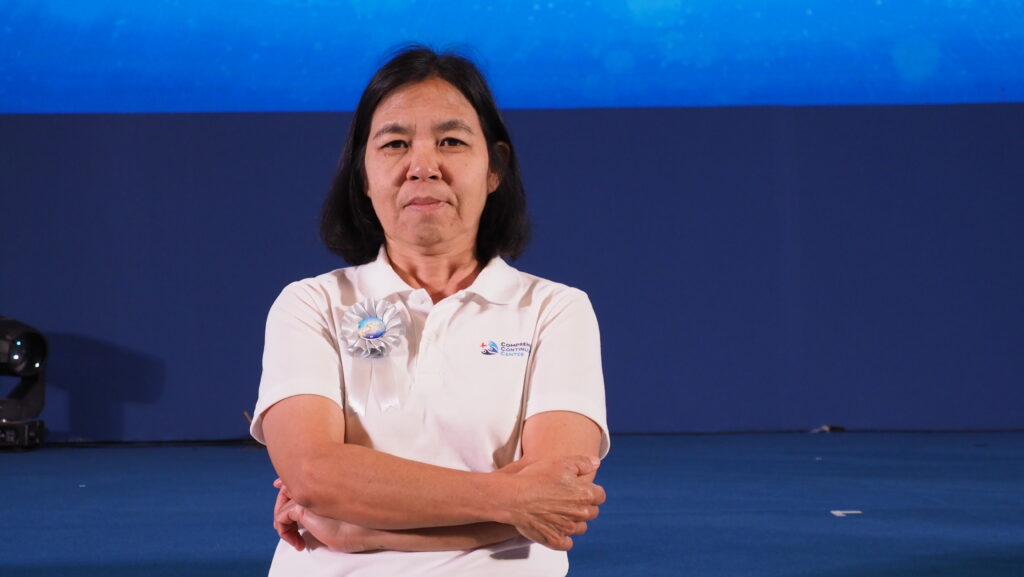
“Communities cannot afford to repeat the history of delayed access that characterised earlier HIV treatment and prevention innovations,” said Yupha Sukreung, Chairperson of TNP+.
“MK-8527 represents an important additional oral HIV prevention option that people should be able to choose based on their lifestyle, as well as their public-health, social, and personal circumstances. However, innovation alone is not enough — affordability, regulatory access, and the removal of patent barriers will determine whether this medicine achieves real public-health impact.
TNP+ stands in solidarity with communities worldwide in calling for a new norm in pharmaceutical innovation — one where life-saving prevention tools reach people in all countries without delay.”
TNP+ expressed its willingness to work collaboratively with government agencies, domestic and international civil-society organisations, the generic pharmaceutical industry, and international organisations to support policies that promote fair and sustainable access to HIV prevention medicines.”