
29 June 2026 Thailand:
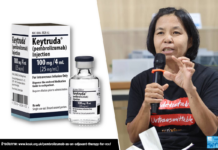
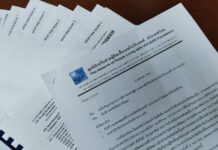
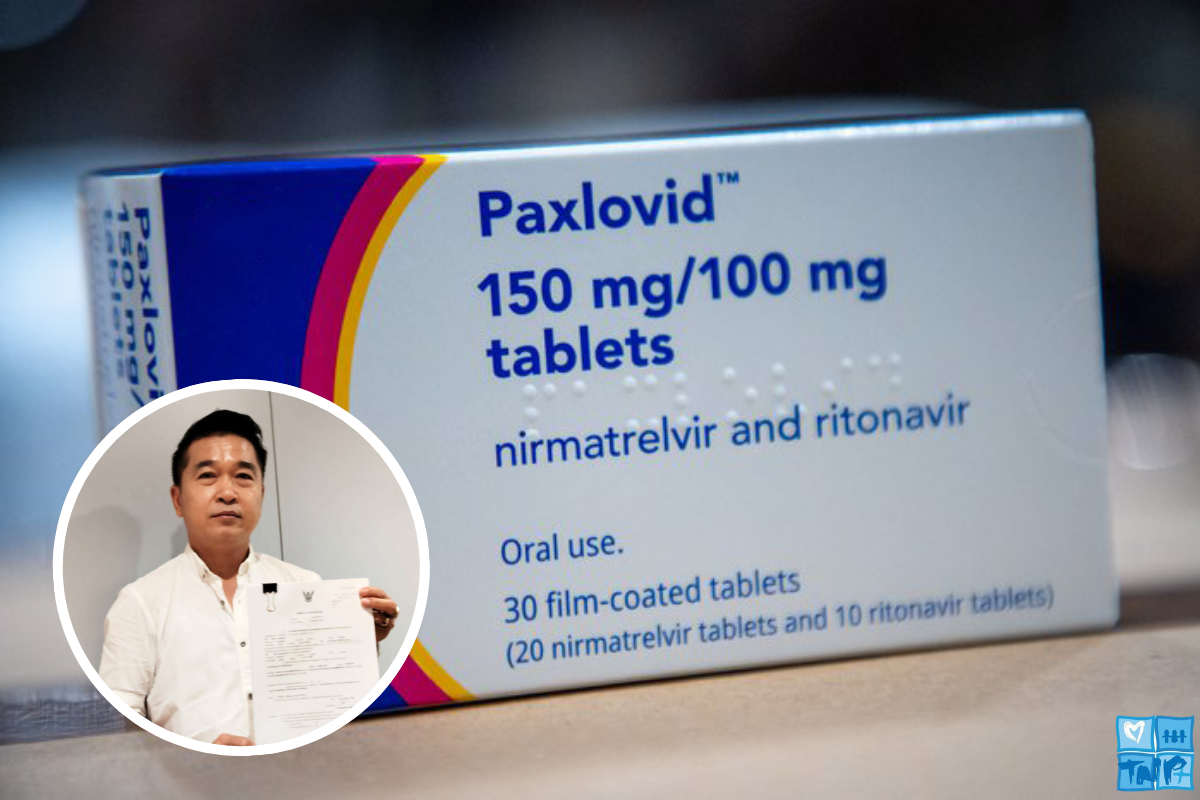
Thai Network of People Living with HIV/AIDS (TNP+) filed a pre-grant opposition against Thai patent application No.2101007038, submitted by Pfizer Inc. and relating to nirmatrelvir, which is used in combination with ritonavir in the COVID-19 treatment.
The opposition was submitted to the Department of Intellectual Property (DIP) after TNP+ reviewed the patent application and concluded that several claims do not meet the requirements for patentability under Thai patent law and therefore should not be granted patent protection.
Nirmatrelvir/ritonavir, marketed internationally as Paxlovid, was developed for the treatment of COVID-19 and has been widely used around the world, particularly among people at higher risk of severe illness, including older persons, people with compromised immune systems, and those with underlying health conditions. Although COVID-19 is no longer considered a global public health emergency, the disease continues to cause serious illness and death among vulnerable populations. Access to effective antiviral treatment therefore remains important for patient care, outbreak preparedness, and future pandemic response.
TNP+ emphasized that patent protection should only be granted to inventions that genuinely satisfy legal standards. The organisation expressed concern that unjustified patents can delay generic competition, restrict future treatment options, and increase costs for patients and the public health system.

“Access to essential medicines is an integral part of the right to health. As we learned during the COVID-19 pandemic, delays in access to treatment can have serious consequences for individuals, families, and communities. We believe that patent protection should never become an obstacle to people’s ability to obtain the medicines they need. This principle is important not only for COVID-19 treatment today, but also for ensuring health equity and access to medicines during future public health emergencies,” said Apiwat Kwangkaew, Vice Chairperson of the Thai Network of People Living with HIV/AIDS (TNP+).
According to TNP+, the patent application claims subject matter that appears to have been disclosed in earlier patents and scientific publications before the application was filed. The organisation therefore believes that several claims may lack novelty and inventive step, and consequently do not satisfy the legal requirements necessary for the grant of a valid patent under Thai law.

“This opposition is not about opposing innovation,” said Chalermsak Kittitrakul, Access to Medicines Manager of TNP+. “We support genuine pharmaceutical innovation and recognise the important contribution that new medicines can make to public health. However, patent protection should only be granted when an invention truly meets the standards required by law. If patents are granted for subject matter that is already known or reflects only incremental and predictable modifications of existing scientific knowledge, they may create unnecessary monopolies, delay generic competition, and keep medicine prices unnecessarily high.”
TNP+ noted that public-interest patent oppositions provide an important avenue for civil society organisations to participate in decisions that may affect access to medicines and public health. By reviewing patent applications and submitting relevant information to patent authorities, civil society can help ensure that patent rights are granted only to inventions that genuinely meet legal requirements, while supporting a balanced intellectual property system that serves both innovation and public health needs. Such participation helps strengthen the quality, transparency, and integrity of the patent system while ensuring that public health considerations are taken into account.
The organisation further noted that the case underscores the importance of maintaining balanced intellectual property policies in Thailand. This is particularly relevant as Thailand continues negotiations for a free trade agreement with the European Union, where civil society organisations have expressed concerns that TRIPS-plus intellectual property provisions could further strengthen pharmaceutical monopolies and reduce policy space needed to protect public health and access to medicines.
If the opposition is successful, the challenged patent claims will not be granted in Thailand. This would help preserve opportunities for future generic competition, support long-term affordability of COVID-19 treatment, and protect the sustainability of Thailand’s Universal Health Coverage Scheme and public health system.
…
Reference Photo : https://theindianpharma.com/nirmatrelvir-ritonavir/