
A new report published by the South Centre, drawing on evidence and case studies from civil society partners, highlights the critical role of civil society in overcoming patent barriers to expand access to bedaquiline (BDQ), a life-saving medicine for multidrug-resistant tuberculosis (MDR-TB). It finds that coordinated legal and policy actions across low- and middle-income countries (LMICs) have contributed to the earlier availability of more affordable versions of the drug. This demonstrates that public health-driven interventions can effectively counter barriers to access. Thailand is among the countries highlighted, reflecting how national-level engagement contributes to broader global progress.
Bedaquiline represents a major advance in tuberculosis treatment and is a core component of modern regimens for MDR-TB. It improves outcomes and reduces reliance on more toxic therapies. Given the global burden of drug-resistant TB, ensuring equitable access to this medicine remains critical.
However, access continues to be constrained by intellectual property (IP) barriers. The report points to the use of patent “evergreening”, referring to secondary patents that extend exclusivity, as a key factor delaying generic entry and keeping prices high in LMICs.
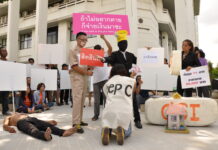
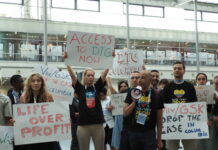
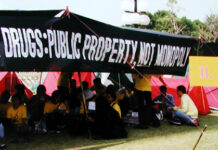
In response, civil society organizations (CSOs) have actively advanced the use of TRIPS flexibilities, including patent opposition, to challenge unjustified patent claims. These efforts have helped open pathways for earlier generic entry and improved access to treatment.
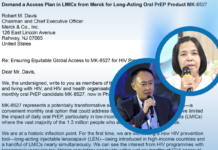
Thailand is highlighted as a key example of how sustained civil society engagement can translate into tangible public health gains. Through coordinated efforts under the Make Medicines Affordable (MMA) consortium, including the Thai Network of People Living with HIV/AIDS (TNP+), civil society has challenged patent barriers related to bedaquiline. These efforts have supported the introduction of more affordable treatment options within the national health system.
The report documents concrete outcomes from these efforts, including successful challenges to secondary patent applications and earlier availability of generic bedaquiline in several countries. This has helped reduce treatment costs and enabled the scale-up of MDR-TB care. At the same time, it warns that ongoing attempts to extend patent exclusivity continue to pose risks to sustained access.
Overall, the report underscores that sustained civil society action, combined with the effective use of TRIPS flexibilities, particularly patent opposition, has been instrumental in expanding access to bedaquiline. Strengthening patent systems to better reflect public health priorities will be essential to secure affordable access in LMICs.
The full report is available at: https://www.southcentre.int/wp-content/uploads/2026/04/SC-BDQ-TB-Report-P-Patnaik_Mar-26.pdf
| รายงานฉบับใหม่ชี้ภาคประชาสังคมมีบทบาทสำคัญอย่างมากที่ช่วยเพิ่มการเข้าถึงยารักษาวัณโรคดื้อยา |
| รายงานฉบับใหม่จาก ‘South Centre’ ซึ่งเป็นองค์กรระหว่างรัฐบาล (Intergovernmental Organization) คลังสมองด้านนโยบายเกี่ยวกับการค้าและสุขภาพ มีสำนักงานที่กรุงเจนีวา เผยว่าภาคประชาสังคมจากหลายประเทศรวมถึงไทย มีบทบาทสำคัญที่ช่วยก้าวผ่านอุปสรรคด้านสิทธิบัตรของ ‘ยาเบดาควิไลน์’ (BDQ) ที่ใช้รักษาวัณโรคดื้อยาหลายขนาน ยาเบดาควิไลน์ถือเป็นความก้าวหน้าสำคัญของการรักษาวัณโรค และเป็นองค์ประกอบหลักของสูตรยาสมัยใหม่สำหรับวัณโรคดื้อยาหลายขนาน ช่วยเพิ่มผลลัพธ์การรักษาและลดการพึ่งพายาที่มีผลข้างเคียงไม่พึงประสงค์รุนแรง ท่ามกลางสถานการณ์วัณโรคดื้อยาของโลกที่เกิดขึ้นในตอนนี้ อย่างไรก็ตาม การเข้าถึงยายังคงถูกจำกัดจากอุปสรรคด้านทรัพย์สินทางปัญญา ในรายงานระบุถึงการใช้กลยุทธ์ “การยืดอายุสิทธิบัตร” (Evergreening patent) ซึ่งเป็นการยื่นขอสิทธิบัตรเพิ่มเติมเพื่อขยายระยะเวลาการผูกขาด ว่าเป็นปัจจัยสำคัญที่ทำให้ยาสามัญเข้าสู่ตลาดล่าช้า และส่งผลให้ยามี ‘ราคาสูง’ ในประเทศรายได้ต่ำและปานกลาง ทั้งนี้ภาคประชาสังคมได้ผลักดันการใช้ความยืดหยุ่นภายใต้ความตกลงทริปส์ (TRIPS) รวมถึงการคัดค้านคำขอรับสิทธิบัตร เพื่อท้าทายคำขอที่ไม่สมเหตุสมผล ความพยายามดังกล่าวช่วยเปิดทางให้ยาสามัญเข้าสู่ตลาดได้เร็วขึ้น และส่งผลให้การเข้าถึงการรักษาเพิ่มมากขึ้น ในประเทศรายได้ต่ำและปานกลางได้ใช้กลไกทางกฎหมายควบคู่ไปกับการขับเคลื่อนเชิงนโยบายที่สอดประสานกัน ซึ่งมีส่วนช่วยให้ยาที่มีราคาเข้าถึงได้เข้าสู่ตลาดเร็วขึ้นและเกิดการแข่งขันมากขึ้น และสะท้อนให้เห็นว่าการขับเคลื่อนที่ยึดหลักสาธารณสุขช่วยลดอุปสรรคในการเข้าถึงยาได้อย่างมีประสิทธิภาพ ทั้งนี้ ‘ประเทศไทย’ เป็นตัวอย่างหนึ่งที่แสดงให้เห็นว่าการขับเคลื่อนในระดับประเทศสามารถส่งผลเชื่อมโยงไปในระดับโลก ประเทศไทยถูกยกเป็นตัวอย่างสำคัญของการมีส่วนร่วมของภาคประชาสังคมอย่างต่อเนื่อง ซึ่งนำไปสู่ผลลัพธ์ด้านสาธารณสุขที่เป็นรูปธรรม ผ่านความร่วมมือภายใต้เครือข่าย Make Medicines Affordable (MMA) รวมถึง ‘เครือข่ายผู้ติดเชื้อเอชไอวี/เอดส์ ประเทศไทย’ (TNP+) ภาคประชาสังคมที่มีบทบาทสำคัญในการท้าทายอุปสรรคด้านสิทธิบัตรที่เกี่ยวข้องกับยาเบดาควิไลน์ และสนับสนุนให้เกิดทางเลือกการรักษาที่มีราคาย่อมเยามากขึ้นในระบบสุขภาพของประเทศ รายงานฉบับนี้ยังบันทึกผลลัพธ์ที่เป็นรูปธรรมจากความพยายามดังกล่าว เช่น การคัดค้านคำขอสิทธิบัตรที่ไม่ชอบธรรมจนประสบความสำเร็จ และการที่ยาสามัญของยาเบดาควิไลน์สามารถเข้าสู่ตลาดได้เร็วขึ้นในหลายประเทศ ซึ่งช่วยลดต้นทุนการรักษาและสนับสนุนการขยายการดูแลรักษาวัณโรคดื้อยา อย่างไรก็ตาม ในรายงานยังคมเตือนว่าความพยายามในการขยายการผูกขาดสิทธิบัตรยังคงเป็นความเสี่ยงต่อการเข้าถึงยาในระยะยาว กล่าวโดยสรุป รายงานชี้ให้เห็นว่าการขับเคลื่อนเชิงนโยบายอย่างต่อเนื่องของภาคประชาสังคม ควบคู่กับการใช้มาตรการยืดหยุ่นภายใต้ความตกลงทริปส์ โดยเฉพาะการคัดค้านคำขอสิทธิบัตร มีบทบาทสำคัญในการขยายการเข้าถึงยาเบดาควิไลน์ให้ประชาชนได้อย่างทั่วถึงและเท่าเทียม ทั้งนี้การผลักดันให้มีระบบสิทธิบัตรที่คำนึงถึงประโยชน์ด้านการสาธารณสุขมากกว่าการค้า จะเป็นกุญแจสำคัญในการประกันการเข้าถึงยาที่มีราคาเหมาะสมในประเทศรายได้ต่ำและปานกลาง |